Article: Design Notes - Using Wall Lights in an Interior
Design Notes - Using Wall Lights in an Interior
Wall lights occupy an interesting position in interior design. They are often regarded as secondary to ceiling lighting, yet, when chosen carefully, they can become one of the most useful and atmospheric sources of illumination within a home. They add depth, provide gentle pools of light and introduce another layer to a carefully considered lighting scheme. Like all lighting, however, their success depends as much on where they are used as on the fitting itself.

As with all lighting we can categorise wall lights as either architectural or decorative. The former can serve a specific purpose such as uplighting a corridor or as marker lights at low level set into a wall. Decorative lighting on the other hand adds visual interest to a space as well as light. Architectural lighting can be precise and focussed whilst decorative provides a more general illumination.

The collections at Fourth Dimension Lighting demonstrate the variety now available, from classic picture lights and traditional lanterns to contemporary architectural fittings suitable for both period and modern interiors. The temptation is often to use wall lights throughout a house, but restraint generally produces a more successful result.

Hallways are perhaps the ideal location for wall lighting. Rather than relying solely on a central ceiling fitting, a series of wall lights creates rhythm along the length of a corridor whilst providing a softer, more welcoming light. They naturally define the route through a home and help eliminate the harsh contrasts often associated with downlighting alone. In taller entrance halls they can also draw attention to architectural details, panelling or artwork, allowing the lighting to become part of the decorative scheme rather than simply a functional necessity.

Bathrooms are another room where wall lights perform exceptionally well. Positioned either side of a mirror, they provide balanced illumination across the face, making shaving, applying make-up and other daily tasks considerably easier than relying on overhead lighting. Ceiling lights alone tend to cast shadows beneath the eyes and chin, whereas carefully positioned wall lights produce a much more flattering effect. Naturally, fittings should always be selected with the correct IP rating for their intended location.
Utility rooms are frequently overlooked when planning lighting, yet they benefit enormously from wall-mounted fittings. These practical spaces often contain tall cupboards, shelving and appliances that create shadows when lit only from above. A well-positioned wall light can brighten worktops and circulation areas whilst making the room feel more considered and less purely functional. Good lighting in these hardworking spaces improves both comfort and usability.

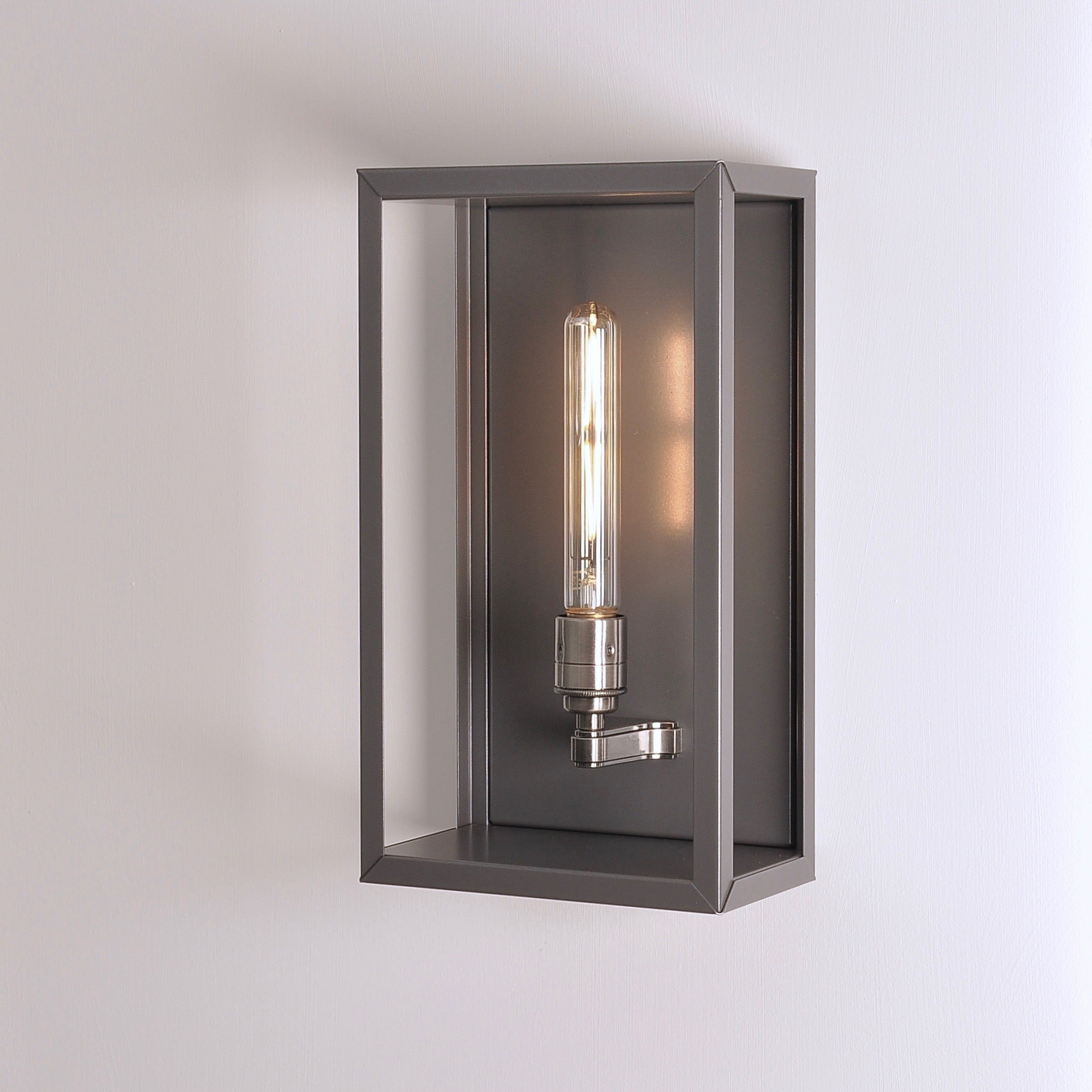
Reception rooms require rather more caution. Whilst wall lights undoubtedly contribute to atmosphere, they are not always the best primary source of illumination. Decorative wall lights fitted with exposed or unshielded lamps can produce glare and create distracting shadows across faces and furnishings, particularly when viewed whilst seated. Similarly, uplighters and downlighters may emphasise textured wall finishes in ways that were never intended. In living rooms and drawing rooms, wall lights are generally most successful when they complement table lamps, floor lamps and discreet architectural lighting, rather than attempting to illuminate the entire room alone.

The choice of lamp is equally important. A concealed or diffused light source almost always produces a more comfortable environment than an exposed filament viewed directly. Warm colour temperatures, careful dimming and thoughtful positioning all contribute to a more relaxed atmosphere.
Perhaps the greatest strength of wall lighting lies in its ability to support a layered lighting scheme. Used alongside ceiling lighting, table lamps and floor lamps, it creates depth, highlights architectural features and allows different moods to be established throughout the day. Rather than thinking of wall lights simply as decorative accessories, they should be regarded as an integral part of the overall lighting composition—chosen carefully, positioned thoughtfully and always with the comfort of the room's occupants in mind.